
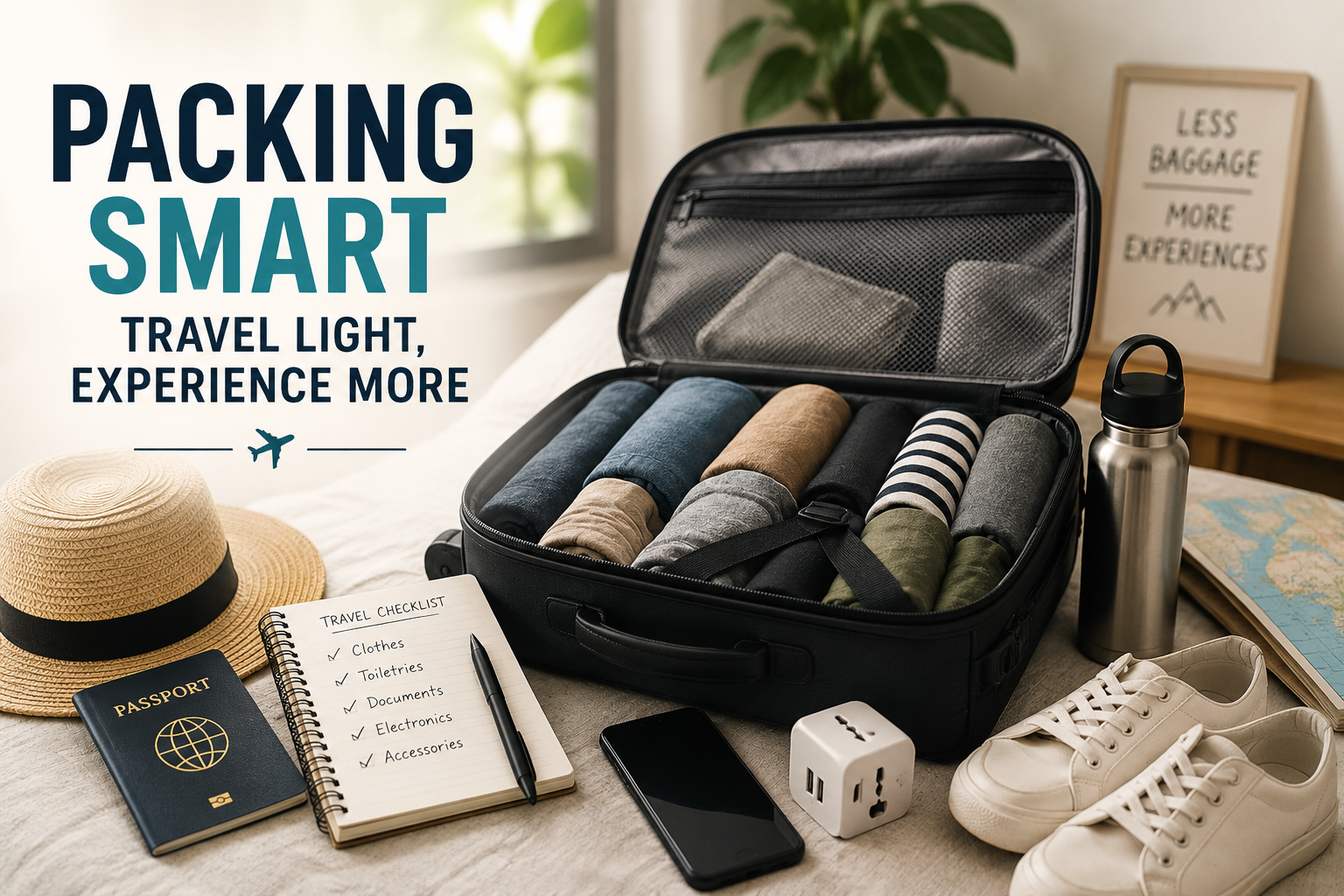
There is a particular kind of dread that comes from watching your suitcase spin around the baggage carousel while everyone else has already walked out the door. You know the one. You checked a bag stuffed with “just in case” items, half of which you never touched, and now you are paying for that decision with your time, your back, and sometimes your sanity.
Packing light is not about deprivation. It is about deciding, before you leave home, that your trip is not going to be run by your luggage. Once you get the hang of it, you stop thinking about your bag at all, and that is really the whole point of travelling in the first place.
Why Travelling Light Actually Changes Your Trip
Most people think packing light is a matter of convenience. It is, but that undersells it. When you are not lugging a twenty-three-kilo suitcase up four flights of stairs in a hostel with no lift, you say yes to more things. You take the walk instead of the taxi. You hop on the last-minute train to the next town because you are not worried about hauling a mountain of bags across three platforms in six minutes.
There is also the money side of it. Airlines charge for checked bags, for overweight bags, for bags that do not fit their sizer. A carry on only trip can save you a fair amount over the course of a year of travel, and that is money better spent on a good meal or an extra night somewhere you did not plan on staying.
And then there is the simple fact of arrival. Skipping the baggage claim and walking straight out of the airport, bag on your shoulder, is one of the small pleasures of travel that never gets old.
Start With a Plan, Not a Pile
The biggest packing mistake people make is pulling clothes out of the closet and dropping them into an open suitcase, one item at a time, until the case looks full enough. That is how you end up with four sweaters and no adapter.
A better approach is to work backwards from your itinerary. Look at your days. What will you actually be doing? A city break heavy on museums and dinners calls for a different bag than a week of hiking. Once you know your activities, you can build a travel packing list around them instead of packing for a version of the trip that exists only in your head.
If you are new to this kind of planning, working from a proper packing checklist makes the whole process faster, because you are not trying to remember everything from scratch at eleven at night before an early flight.
The Clothing Rule That Actually Works
Here is a rule that has held up for years of travel writers and frequent flyers alike: pack for one week, no matter how long the trip is. Almost everywhere you go, you can find a laundromat, a sink, or a hotel laundry service. Seven days of mix-and-match clothing, built around two or three colours that all go together, will take you through a month on the road just as well as it takes you through a weekend.
A few habits that help:
- Choose fabrics that dry overnight, so a sink wash works.
- Stick to a simple colour palette so every top works with every bottom.
- Wear your bulkiest item, like boots or a jacket, on the plane instead of packing it.
- Limit yourself to one “nice” outfit rather than three.
None of this means dressing badly or feeling underprepared. It means being deliberate. Minimalist packing is really just packing on purpose instead of packing out of anxiety.
Roll, Don’t Fold, and Use What You’ve Got
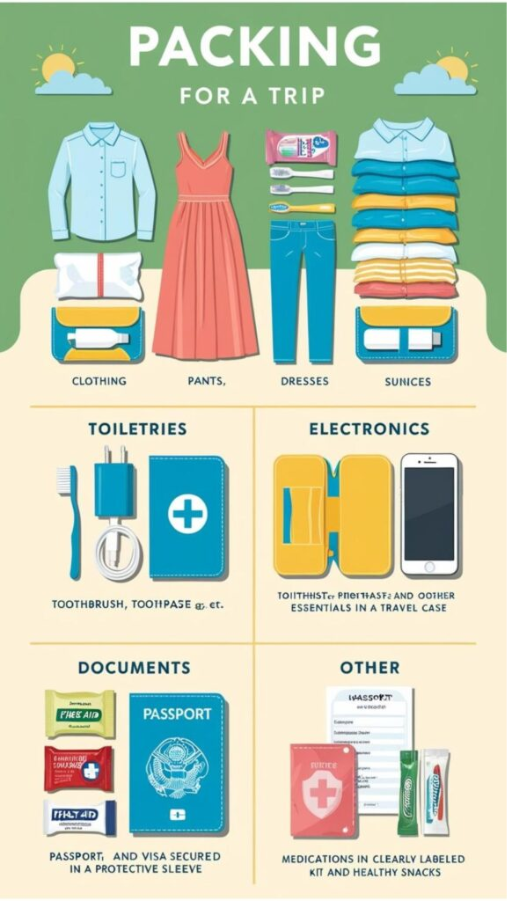
Rolling clothes instead of folding them saves a surprising amount of room and tends to leave fewer creases. Packing cubes take this further, letting you compress clothing into neat, labelled blocks so you are not digging through a jumbled bag at airport security or in a dim hostel room at midnight. If you travel often, a set of good packing cubes more or less pays for itself the first time you avoid unpacking your entire bag just to find a pair of socks.
Shoes are usually the biggest space hog in any suitcase. Two pairs is plenty for most trips: one you wear on travel days and one for whatever activity your trip demands, whether that is a hike, a formal dinner, or a beach.
For the essentials that always seem to sneak up on people at the last minute, a look through travel essentials before you start packing can save you a frantic pharmacy run on your first morning abroad.
The Carry on Only Mindset
Learning how to pack a carry on well is a skill, and like any skill, it gets easier with practice. The trick is treating your bag’s limits as a feature, not a restriction. When you only have one small bag, you stop packing “someday” items and start packing “this trip” items.
A few smart packing tips that carry on travellers swear by:
- Wear your heaviest shoes and jacket while boarding to save weight in the bag.
- Keep toiletries under the liquid limit and in a single clear pouch, so security checks take seconds, not minutes.
- Use every dead space in your bag, tucking socks and chargers into shoes and gaps.
- Keep a small day bag folded flat inside your main bag for day trips once you arrive.
Once you have done a full trip on carry on alone, going back to a checked bag can feel unnecessary for anything shorter than a few weeks.
Packing Tips for International Travel
International trips bring their own wrinkles: different plug types, different climates, sometimes different dress expectations depending on the country. A universal adapter, a portable charger, and copies of your important documents belong in every international bag, along with a small stash of local currency for the first few hours before you find a working ATM.
Weather research matters more than people think. A five-minute look at seasonal averages for your destination can save you from packing three jumpers for a trip that turns out to be warm or packing sandals for a place that is cooler than expected in the evenings.
If your trip involves visas, entry permits, or specific paperwork, sort that out early rather than as an afterthought. A quick read through visa and documentation guides before you finalise your dates can spare you a stressful scramble the week before departure. It is also worth thinking about protection for the unexpected, whether that is a delayed flight, a lost bag, or a medical issue abroad; a look at available travel insurance packages is a sensible step before any international trip.
What to Leave at Home
Packing light is as much about subtraction as addition. Some common culprits that weigh down a bag without earning their place:
- Multiple pairs of jeans, which are heavy and slow to dry.
- Full-size toiletries when travel-size or refillable bottles do the same job.
- A different outfit for every single day, rather than a smaller wardrobe you rewear.
- Books, when an e-reader or phone app does the job for a fraction of the weight.
- “Just in case” items you have packed on the last five trips and never once used.
A good test: if you have not touched something in your bag by the halfway point of a trip, it probably did not need to come along in the first place.
Building the Habit
The first time you pack light, it will feel a little uncomfortable, almost like leaving the house without your keys. That feeling fades fast. By your second or third trip, you will find yourself packing in twenty minutes instead of two hours, and you will start trusting that you can handle whatever you forgot once you land, because you almost always can.
If planning still feels overwhelming, it helps to have some support behind you. A budget planning consultation or a session on customized trip planning can take a lot of the guesswork out of preparing for a trip, packing included, so you spend your energy on the parts of travel that actually matter.
Final Thoughts
Travelling light is less about the bag itself and more about the mindset behind it. It says: I trust myself to handle what comes up. I would rather have room to bring things home than things I never used to weigh me down on the way there. Pack for the trip you are actually taking, not the one you are afraid of, and you will find there is a lot more room, in your bag and in your day, for the parts of travel that make it worth doing in the first place.