
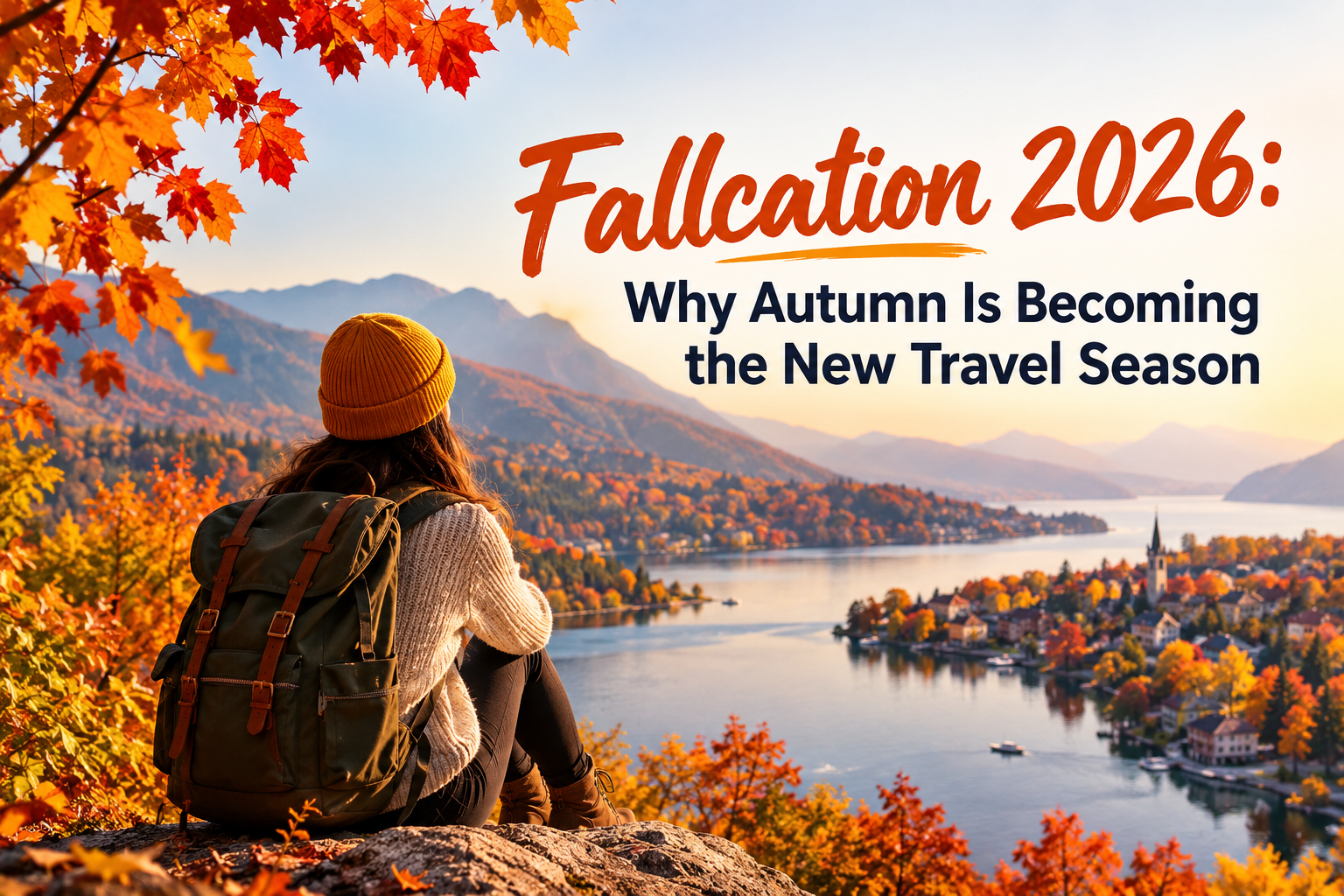
Summer travel has had its moment. Now, travelers are looking toward cooler mornings, golden landscapes, quieter streets, harvest experiences, and slower days.That is where fallcation comes in.
A fallcation is simply an autumn vacation, usually planned between September and November. But in 2026, it represents something bigger: a shift toward traveling outside the traditional summer rush.
Recent travel trend reports point to growing demand for autumn getaways. Airbnb reports that 60% of travelers are planning short fall trips, while searches for fall getaways, foliage, leaf-peeping, apple picking, and fall road trips have grown. Travel experts are also seeing September through November become increasingly important for international travel.
For travelers who prefer cooler weather, seasonal landscapes, local food, and less frantic itineraries, a fallcation in 2026 could be the trip to plan next.
Why Is Fallcation Travel Trending in 2026?
Summer has traditionally dominated the travel calendar. Long holidays, beach escapes, school vacations, and warm-weather destinations have made June through August the obvious choice for many travelers.
Autumn is changing that pattern.
September and October offer a different travel rhythm. Temperatures can be more comfortable, popular destinations may feel less intense after the summer peak, and seasonal experiences become part of the journey.
A 2026 travel trend report from DERTOUR notes that the share of trips taking place in September and October has increased since 2023, reflecting growing interest in travel beyond traditional peak seasons.
The result is a new kind of holiday—one built around the season rather than simply the destination.
Fallcation Means Traveling for the Season
Instead of asking, “Where should I go this year?” travelers are increasingly asking, “What does this season make possible?”
That could mean walking through crimson chinar trees in Kashmir, seeing golden larches in the Dolomites, watching autumn colours around Kyoto, hiking through the Scottish Highlands, or enjoying harvest-season food in Europe.
The destination matters, but the timing becomes part of the experience.
Fallcation in India: Kashmir Brings Autumn to Life
India may not have the widespread autumn foliage associated with New England or parts of Europe, but Kashmir offers one of the country’s most distinctive fall landscapes.
From September into November, the valley transitions toward autumn, with chinar trees becoming particularly striking in October. Srinagar’s gardens, lakefront areas, and old avenues can take on shades of amber, gold, orange, and red.
A Kashmir fallcation can combine foliage with slow mornings beside Dal Lake, walks through Mughal gardens, apple-growing regions, and mountain excursions.
What to Experience on a Kashmir Fallcation
Srinagar works well as the starting point for an autumn itinerary.
Walk through the Mughal gardens when the leaves begin changing. Take a shikara ride on Dal Lake during the softer morning or evening light. Continue toward Pahalgam or Gulmarg for mountain scenery and cooler temperatures.
October is particularly associated with Kashmir’s chinar colours, although the exact timing changes with weather and location.
For photographers, autumn can be especially rewarding because the changing leaves create a strong contrast with the mountains, lakes, gardens, and traditional architecture.
Fallcation in Himachal Pradesh for Crisp Mountain Days
Himachal Pradesh also embraces autumn between September and November.
The official Himachal Pradesh Tourism website describes autumn as a season of crimson and golden colours, with valleys transitioning toward winter.
This makes the season suitable for travelers who want mountain walks without making the trip entirely about snow.
Slow Down on a Himachal Fallcation
Dharamshala, Kullu, Manali, Tirthan Valley, and nearby mountain communities can offer different versions of an autumn escape.
Spend the morning walking through pine and oak forests. Keep the afternoon for cafés, local food, village walks, or a scenic drive. As evening temperatures fall, return to a homestay and enjoy a slower night.
The appeal of a fallcation is often exactly this lack of pressure.
You do not need to fill every hour.
Fallcation in Sikkim for Clear Himalayan Views
Sikkim offers another interesting autumn option in India.
Post-monsoon conditions can bring clearer mountain views, making October and November popular months for Himalayan scenery. Travel information for the region also highlights autumn as a period of improved visibility, cooler weather, and opportunities to experience mountain landscapes and seasonal festivals.
Gangtok, Pelling, Temi, and other parts of the state can be combined depending on the time available and current road conditions.
A Sikkim Fallcation Is About the Views
Autumn mornings are particularly appealing here.
Wake up early, look toward the mountains, and let the changing light do most of the work. Instead of rushing between attractions, leave space for viewpoints, monasteries, local meals, and village roads.
For a slower travel style, November can also offer a different atmosphere from the busy holiday period in October.
Fallcation in the Dolomites: Golden Mountains and Quiet Trails
If autumn scenery is the main reason for your trip, Italy’s Dolomites deserve a place on the list.
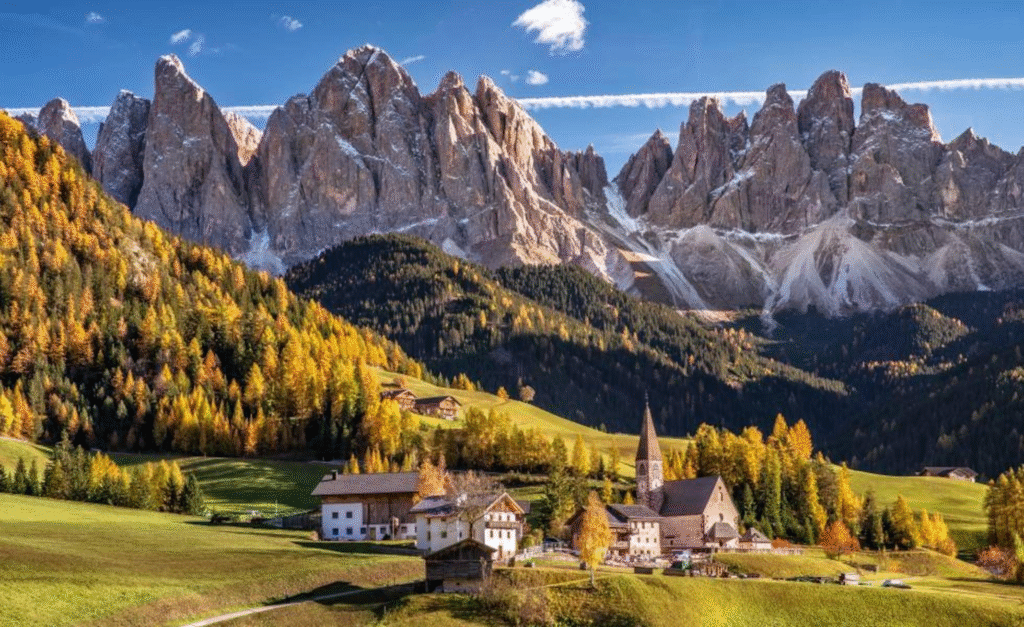
The mountains take on a dramatic autumn character as larch forests turn yellow and gold. The contrast between colourful forests and pale limestone peaks makes the landscape particularly distinctive.
Regional tourism sources identify late September through mid-October as an important foliage period, while October brings especially strong golden-larch scenery at many locations.
What Makes a Dolomites Fallcation Special?
Imagine walking through a quiet alpine trail while golden trees frame enormous mountain walls.
Val di Funes, Alpe di Siusi, Val di Fassa, Lake Molveno, and areas around Cortina d’Ampezzo offer different autumn landscapes.
Another seasonal highlight is Enrosadira, the phenomenon that can make the Dolomite peaks glow pink, orange, or red around sunset. South Tyrol’s tourism board highlights autumn as an especially atmospheric time to experience this effect.
Keep in mind that autumn also brings seasonal closures. Some high-altitude huts and cable cars close as October progresses, so checking operating dates before planning hikes is essential.
Kyoto Fallcation: When Japan Turns Red and Gold
Japan is another destination closely associated with autumn travel.
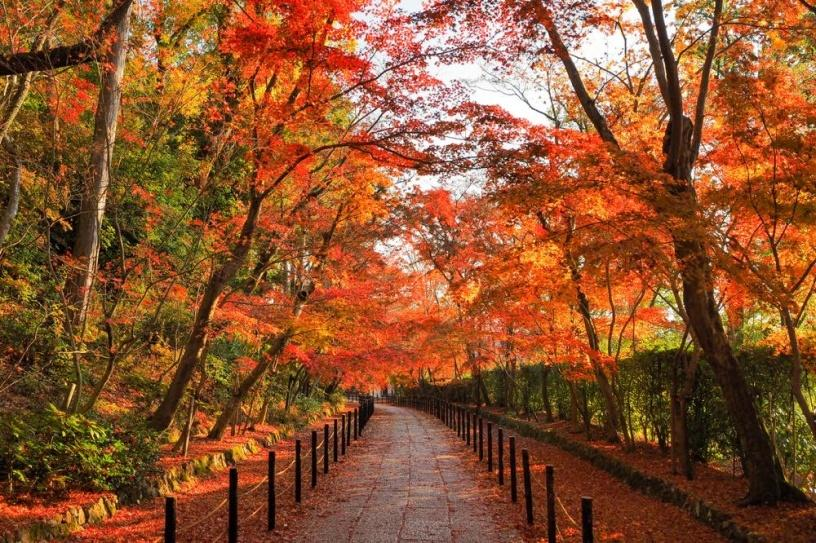
Kyoto becomes particularly atmospheric when maple trees begin changing colour. Temple gardens, traditional streets, quiet pathways, and wooded areas create a completely different experience from cherry blossom season.
The appeal goes beyond the colours.
Autumn allows travelers to combine foliage with Japanese food, tea culture, temples, gardens, and neighbourhood walks.
Plan a Slower Kyoto Fallcation
Rather than attempting every famous temple in a single day, choose a few areas and explore them slowly.
Start with an early morning garden walk. Stop for tea afterward. Leave time for a neighbourhood café or small restaurant. Return outside around sunset when the city begins to change character.
That slower pace fits perfectly with the philosophy behind the modern fallcation.
Scotland Fallcation: Moody Landscapes and Highland Roads
Scotland offers another interpretation of autumn travel.
The Scottish Highlands become especially atmospheric as forests, moors, lochs, and mountain landscapes shift into autumn colours.
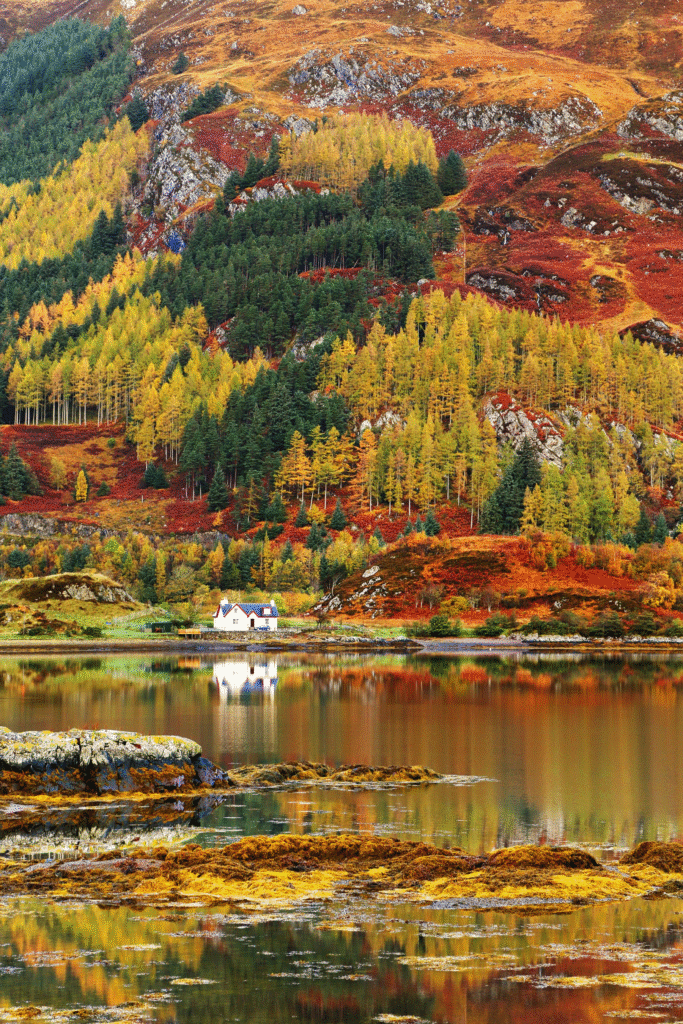
A road trip can be the experience itself.
Drive through the Highlands, stop at viewpoints, walk around a loch, explore small villages, and spend the evening somewhere cosy.
Why a Scotland Fallcation Works
Not every fallcation needs bright red leaves.
Sometimes autumn is about misty mountains, dramatic skies, warm cafés, old stone buildings, and long scenic drives.
That makes Scotland particularly appealing for travelers who prefer atmosphere over traditional leaf-peeping.
Fallcation Is Also About Food
Autumn travel is not only about foliage.
Harvest season adds another layer to the experience. Across Europe, autumn brings grape harvests, truffle hunting, chestnuts, apples, wine festivals, and regional food traditions.
Travel coverage for autumn 2026 highlights harvest-focused experiences across Italy, Spain, France, Austria, Croatia, and other European destinations.
In the Dolomites and South Tyrol, for example, autumn traditions include chestnuts, new wine, harvest events, and Törggelen experiences.
A good fallcation itinerary therefore does not need to revolve around sightseeing.
Sometimes the best memory is a local meal after a long walk.
Fallcation Weekend Trips Are Having a Moment
One of the biggest changes in autumn travel is the growing popularity of shorter trips.
Airbnb’s 2026 fall travel data indicates that 60% of travelers are planning short autumn trips, while weekend getaways are becoming an important part of fall travel behaviour.
That makes the fallcation especially useful for people who cannot take a long vacation.
Turn Three Days Into a Fall Travel
You do not always need a two-week itinerary.
A three-day mountain escape can be enough.
Choose a destination within easy reach, travel early on Friday, spend Saturday exploring slowly, and keep Sunday for a scenic breakfast and relaxed journey home.
The goal is not the number of places you visit.
It is how much of the season you actually experience.
How to Plan Your Fall travel in 2026
Autumn travel requires slightly different planning from summer travel.
Weather can change quickly, especially in mountain destinations. Some attractions operate on seasonal schedules, while popular foliage periods can create sudden demand.
Start by choosing the experience you want.
Do you want colourful forests? Cool weather? Mountain landscapes? Harvest food? Road trips? Northern Lights? Quiet city walks?
Once you know the experience, select the destination.
Check the Seasonal Calendar
Foliage does not follow a perfect calendar.
Altitude, temperature, rainfall, and local weather can shift the timing from one year to another. Even within the same destination, higher areas can change colour before lower valleys.
The Dolomites, for example, experience foliage at different times depending on altitude and location.
Kashmir’s chinar colour also develops gradually through autumn rather than appearing everywhere on one exact date.
Build some flexibility into your plans whenever possible.
Pack for Changing Temperatures
Autumn can feel warm in the afternoon and surprisingly cold after sunset.
A light jacket, comfortable walking shoes, layers, and a compact rain jacket are useful starting points. Mountain destinations may require warmer clothing, especially in October and November.
Always check the forecast shortly before departure.
Book Before Peak Autumn Weekends
The idea that fall is automatically empty is becoming outdated.
As fall travel becomes more popular, popular weekends can fill quickly. Current trend reports show increasing demand for autumn trips, while some destinations are already seeing strong searches for foliage season.
Traveling on weekdays can be one way to create a quieter experience.
The Best Part of a Fallcation? You Don’t Have to Rush
There is something refreshing about traveling when the destination itself is slowing down.
Summer energy fades. The light becomes softer. Mornings feel cooler. Markets fill with seasonal produce. Forests change colour almost imperceptibly.
A fallcation gives you permission to notice those details.
You can take the scenic road instead of the fastest road. Stay longer at a viewpoint. Have another cup of coffee. Walk without checking the time.
That may be why this travel trend feels different from simply adding another destination to a bucket list.
Fallcation 2026: The New Way to Travel With the Season
The rise of the fallcation reflects a broader change in how people are approaching travel.
Instead of squeezing holidays into the traditional summer window, travelers are looking at September, October, and November as destinations in their own right.
Kashmir offers crimson chinars. Himachal brings crisp mountain days. Sikkim delivers clear Himalayan views. The Dolomites turn golden. Kyoto becomes a canvas of red and orange. Scotland leans into mist, mountains, and moody roads.
Every destination tells a different autumn story.
And perhaps the best fallcation is not the one with the longest itinerary.
It is the one that gives you enough time to actually feel the season.
Frequently Asked Questions
What is a fallcation?
A fallcation is an autumn vacation, generally taken between September and November. It focuses on seasonal experiences such as foliage, cooler weather, harvests, scenic road trips, and quieter travel.
Why is fallcation trending in 2026?
Travel trend reports show increased interest in autumn trips, particularly shorter getaways, foliage experiences, road trips, and lesser-known destinations.
Where can I go for a fallcation in India?
Kashmir, Himachal Pradesh, and Sikkim are among the Indian destinations worth considering for an autumn trip. Kashmir is particularly known for its chinar foliage, while Himachal and Sikkim offer cooler mountain landscapes during autumn.
What are some international fallcation destinations?
Popular autumn options include Kyoto, the Dolomites, Scotland, and other European destinations where autumn brings cooler weather, seasonal food, foliage, and cultural experiences.
Is fallcation only about fall foliage?
No. A fallcation can be built around food, wine harvests, mountain hiking, road trips, festivals, photography, wellness, wildlife, or simply enjoying cooler weather.
What months are best for a fallcation?
September, October, and November are the core fallcation months. The ideal month depends on the destination and the experience you want.
Final Thoughts
Maybe autumn is not a season to travel through quickly.
Maybe it is a season to slow down.
So, if summer felt too crowded, too hot, or simply too rushed, consider planning a fallcation in 2026.
Find a mountain road. Walk beneath changing leaves. Try a seasonal dish. Watch the sunset. Stay somewhere quiet.
Travel does not always have to be about seeing more.
Sometimes, it is about noticing more.
Internal Links
- Traveling Through the Seasons: Why Every Time of Year Offers a Unique Adventure
- The Rise of Do-Less Travel
- The Future of Sustainable Travel: How to Explore Without Leaving a Trace
- Experience-Led Travel 2026: Okinawa, Marrakech, Swiss Alps
- Hidden Gems: Why Offbeat Travel Creates the Best Memories
- The Hidden Mental Health Benefits of Travel
- Destination Dupes 2026: The Travel Trend Helping You Skip the Crowds
- Slow Travel Destinations: Places to Explore at a More Meaningful Pace