

There is a particular feeling that greets you when you enter Coorg, India — cool mountain air, the scent of wet earth, and the aroma of freshly grown coffee. Also known as Kodagu, this beautiful district in Karnataka’s Western Ghats has long attracted travelers looking for misty hills, waterfalls, forests, and peaceful plantation stays.
For decades, Coorg has carried the famous nickname “Scotland of India.” Its rolling green landscapes, cool climate, mist-covered valleys, and lush plantations explain why the comparison has endured.
But Coorg is changing.
In 2026, travelers are increasingly visiting not simply to see the scenery, but to slow down, experience local culture, stay on coffee plantations, enjoy regional food, and escape busy city life.
For travelers from Bengaluru and other South Indian cities, Coorg also offers something especially valuable: a memorable hill getaway without requiring a long holiday.
Why Coorg Is Becoming Popular in 2026
Several travel trends are working in Coorg’s favor.
Easy Weekend Access
Coorg’s location makes it particularly attractive for travelers from Bengaluru, Mysuru, and other South Indian cities. Improvements along the Mysuru-Coorg road corridor have made road travel more convenient, although journey times can still vary depending on traffic and weather.
This makes a long weekend in Coorg a realistic option for many travelers.
The Rise of Plantation Homestays
One of the biggest changes in Coorg’s tourism scene is the growth of plantation homestays.
Instead of staying in a conventional hotel, visitors can stay with local families or on working coffee estates. Depending on the property, experiences can include plantation walks, local cooking, coffee-related activities, and traditional Kodava meals.
For travelers interested in slow travel, this style of accommodation can offer a more personal experience.
Wellness and Slow Travel
Coorg is naturally suited to travelers who want to do less and experience more.
A typical day can involve a relaxed breakfast, a plantation walk, coffee tasting, a visit to a waterfall, and an evening surrounded by forest and mountain views.
This slower pace is one reason Coorg fits well with the growing interest in wellness-focused and experience-led travel.
Stargazing and Night Experiences
Another emerging travel trend is noctourism, where travelers plan experiences around the night sky and darkness.
Away from major urban centers, some parts of Coorg can offer clearer night skies. Certain resorts and estates have begun incorporating stargazing and nighttime nature experiences into their activities.
Why Is Coorg Called the “Scotland of India”?
The nickname comes from Coorg’s combination of green hills, mist, cool weather, forests, and rolling landscapes.
Coorg lies along the Western Ghats and is particularly known for three elements: coffee, forests, and water.
Coffee plantations cover large parts of the landscape. Much of the coffee is grown under shade trees, creating an environment that often looks more like a forest than conventional farmland.
During the coffee blossom season, the plants produce delicate white flowers for a short period, creating one of the region’s most memorable seasonal sights.
Water is equally important.
The Kaveri River originates at Talakaveri, while waterfalls such as Abbey Falls, Chelavara Falls, and Mallalli Falls add to Coorg’s appeal, particularly during and after the monsoon.
The comparison with Scotland should not be taken literally. Coorg has its own distinct landscape, climate, history, and culture. The nickname simply captures the visual impression created by its green hills and misty atmosphere.
Kodava Culture and Local Experiences
Beyond its scenery, Coorg is home to the Kodava people, whose culture gives the region a distinctive identity.
Visitors can experience aspects of Kodava traditions through local food, festivals, clothing, architecture, and family-run homestays.
Puthari, the traditional harvest festival, is an important celebration in Kodagu.
Staying at a local homestay can also provide an opportunity to learn about everyday life in the region while enjoying traditional meals and plantation surroundings.
Best Time to Visit Coorg in 2026


Coorg can be visited throughout the year, but each season offers a different experience.
October to November
This is one of the best periods for an all-round Coorg trip. The monsoon landscape remains lush, waterfalls can still be impressive, and the weather is generally pleasant.
December to January
These months bring cooler and clearer conditions. They are popular with travelers, so accommodation can be more expensive and busy during holidays.
February to March
This period is particularly interesting for coffee lovers because of the coffee blossom season. The flowering period is short, so travelers hoping to see it should check local conditions before planning their trip.
April to May
The weather becomes warmer, but Coorg can still provide a refreshing escape from hotter cities. This is also a popular period for family holidays.
June to September
The monsoon transforms Coorg into an intensely green destination. Waterfalls become more dramatic, but heavy rainfall can also create difficult road conditions and occasional landslides.
Travelers visiting during the monsoon should check local weather and road advisories before traveling.
Where to Stay in Coorg
Coorg offers everything from luxury resorts to family-run homestays.

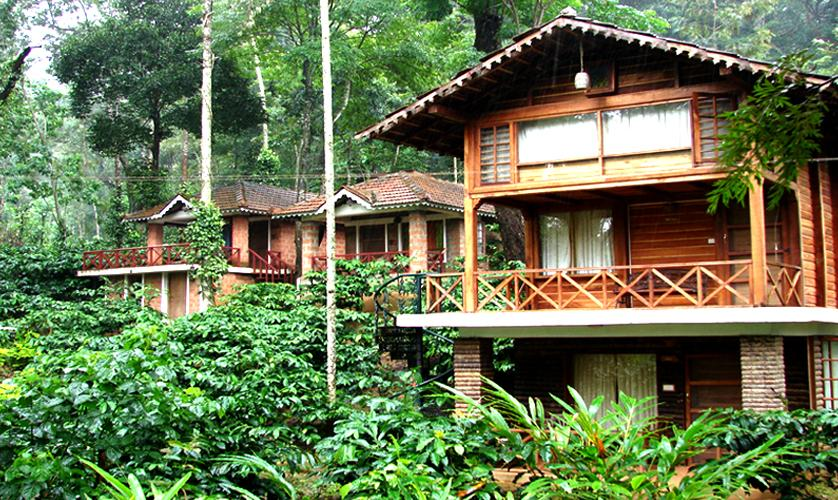
Homestays
Choose a homestay if you want:
- Plantation surroundings
- Home-cooked Kodava food
- Local interaction
- A quieter atmosphere
- A more personal travel experience
Resorts
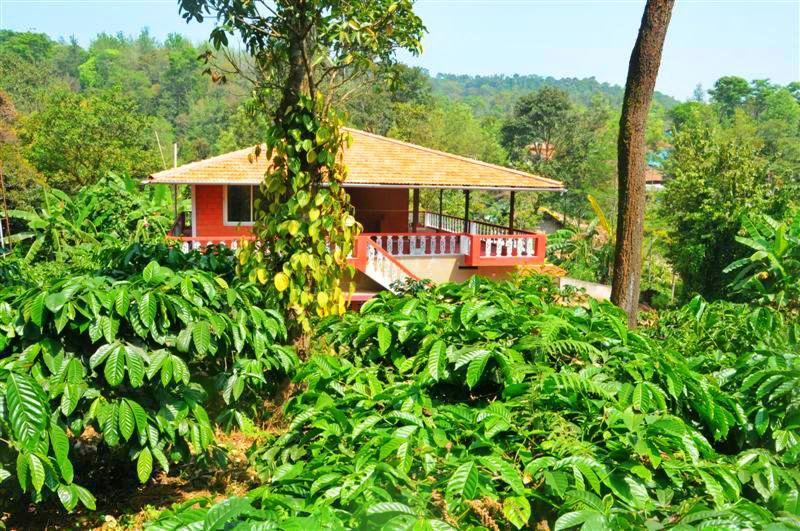
Resorts can be a better choice for families and groups looking for:
- Swimming pools
- Organized activities
- Larger rooms or villas
- On-site dining
- More predictable amenities
For travelers visiting Coorg specifically for its coffee plantations and local culture, a plantation homestay can be especially rewarding.
Best Things to Do in Coorg
1. Explore Madikeri Fort
Located in Madikeri, this historic fort is a good starting point for understanding the region’s history.
2. Visit Abbey Falls
Abbey Falls is one of Coorg’s best-known waterfalls and is located relatively close to Madikeri.
3. Visit Talakaveri
Talakaveri is traditionally regarded as the source of the Kaveri River and sits in the Brahmagiri Hills.
4. Explore Bhagamandala
Bhagamandala is an important cultural and religious site associated with the Kaveri River and makes a natural addition to a Talakaveri visit.
5. Visit Dubare
Dubare, located near the Kaveri River, is known for its elephant-related experiences and forest surroundings.
6. Explore Nisargadhama
This riverside destination near Kushalnagar is known for its bamboo forests and peaceful natural setting.
7. Visit Nagarhole National Park
Located near the southern side of the Kodagu region, Nagarhole is an excellent addition for travelers interested in wildlife, forests, and safaris.
8. Explore Local Markets
Madikeri and Kushalnagar are good places to look for regional products such as coffee, honey, spices, chocolates, and other local specialties.
Coorg Food You Should Try
Food is another reason to visit Coorg.
The region’s signature dish is pandi curry, a flavorful pork preparation traditionally made with kachampuli, a distinctive souring ingredient used in Kodava cuisine.
Other local dishes worth trying include:
- Kadumbuttu — steamed rice balls
- Noolputtu — delicate rice noodles
- Traditional Kodava meat dishes
- Locally grown coffee
A traditional Kodava meal paired with freshly brewed Coorg coffee can easily become one of the highlights of the trip.
How to Reach Coorg
Coorg does not have its own commercial airport.
The nearest major options include Mysuru Airport and Mangaluru International Airport, while Kempegowda International Airport in Bengaluru offers a much wider range of flight connections.
From Bengaluru, travelers can continue by car, taxi, or bus. Coorg is also connected by road with Mysuru and Mangaluru.
Because road conditions can change during heavy monsoon rainfall, travelers visiting between June and September should check conditions before starting their journey.
Frequently Asked Questions About Coorg
Why is Coorg called the Scotland of India?
Coorg earned the nickname because of its misty mountains, cool climate, lush green hills, forests, and rolling landscapes that reminded British visitors of Scotland.
What is the best time to visit Coorg in 2026?
October to May is a convenient period for most travelers. October and November are excellent for lush post-monsoon scenery, December and January offer cooler weather, and February and March can be interesting for coffee blossom season.
Is Coorg good for a weekend trip from Bengaluru?
Yes. Coorg is one of the more convenient hill destinations for a road trip from Bengaluru, particularly for travelers planning a long weekend.
Should I stay at a homestay or resort in Coorg?
Choose a homestay for local culture, plantation experiences, and a quieter atmosphere. Choose a resort if you prioritize amenities, activities, and convenience for families or groups.
Is Coorg safe during the monsoon?
Coorg can be visited during the monsoon, but heavy rainfall may cause difficult road conditions and occasional landslides. Check current weather and local road advisories before traveling.
Why Coorg Belongs on Your 2026 Travel List
Coorg has never needed a major attraction to justify a visit. Its appeal has always been the combination of coffee plantations, misty hills, forests, waterfalls, local food, and Kodava culture.
What makes Coorg particularly relevant in 2026 is the way these qualities fit today’s travel preferences.
Travelers are increasingly looking for shorter getaways, meaningful local experiences, nature-based stays, wellness, and slower itineraries.
Coorg offers all of that without requiring you to rush.
Sometimes the best escape is not the place with the longest checklist. It is the place where you can wake up to mist, walk through a coffee plantation, eat something made locally, and spend the evening doing absolutely nothing.
And that may be exactly why Coorg, India, is having its moment in 2026.