

If you’re planning a trip to Japan in 2026, don’t stop at Tokyo, Kyoto, or Osaka. Venture farther south, and you’ll discover Okinawa—a breathtaking island chain where turquoise waters, rich history, and a relaxed island lifestyle create an experience unlike anywhere else in the country.
The Okinawa travel guide 2026 is more relevant than ever, as the islands continue to gain international recognition. With a major cultural landmark reopening, stunning beaches that rival the world’s best, and a unique heritage shaped by the ancient Ryukyu Kingdom, Okinawa has become one of Asia’s fastest-growing travel destinations.
Whether you’re searching for tropical beaches, cultural experiences, diving adventures, or wellness escapes, Okinawa offers something for every traveler.
Quick Facts
| Feature | Details |
|---|---|
| Country | Japan |
| Capital | Naha |
| Famous For | Beaches, Blue Zone, Shuri Castle, Coral Reefs |
| Best Time to Visit | April–June & October–December |
| Ideal Duration | 7–10 Days |
| Top Activities | Diving, Island Hopping, Cultural Tours, Snorkeling |
Why Okinawa Is Trending in 2026
Travel trends have shifted dramatically in recent years. More travelers now seek authentic destinations, slower travel, and meaningful cultural experiences instead of crowded tourist hotspots.
Okinawa perfectly fits that demand.
International interest has surged after the destination earned recognition among the world’s top places to visit in 2026. Visitors are increasingly choosing Okinawa for its peaceful atmosphere, warm climate, beautiful coastline, and sustainable tourism initiatives.
Unlike Japan’s busiest cities, Okinawa allows visitors to enjoy nature, local traditions, and island life at a slower pace.
Experience the Blue Zone Lifestyle
One of Okinawa’s biggest attractions isn’t a beach or a monument—it’s the people.
Okinawa is one of only five officially recognized Blue Zones, regions where residents consistently enjoy exceptionally long and healthy lives.
Researchers attribute this longevity to:
- Fresh local food
- Strong family bonds
- Daily physical activity
- Low stress
- Close-knit communities
Visitors can experience this healthy lifestyle by exploring local markets, sampling Okinawan cuisine, and embracing the island’s slower rhythm of life.
Traditional dishes such as Okinawa soba, goya champuru, fresh seafood, and purple sweet potatoes reflect the region’s emphasis on nutritious, locally sourced ingredients.
Visit the Newly Restored Shuri Castle
One of the biggest highlights of 2026 is the reopening of Shuri Castle, the former palace of the Ryukyu Kingdom.
After suffering devastating fire damage in 2019, the castle has undergone years of careful restoration using traditional craftsmanship.
Its reopening offers visitors a rare opportunity to witness one of Japan’s most important cultural landmarks restored to its former glory while learning about Okinawa’s unique royal history.
Discover Okinawa’s Beautiful Islands
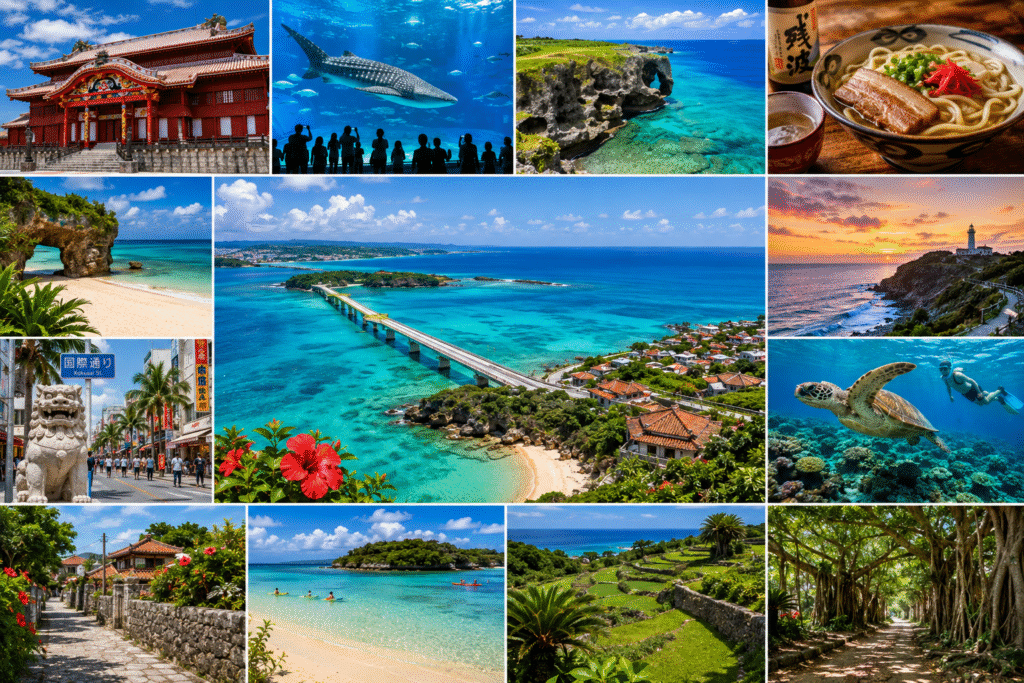
Okinawa consists of more than 150 islands, each offering different landscapes and experiences.
Naha – The Cultural Gateway
Naha is the capital of Okinawa and serves as the perfect starting point.
Top attractions include:
- Kokusai Street
- Shuri Castle
- Makishi Public Market
- Okinawa Churaumi Aquarium
- Traditional Ryukyu villages
Naha combines modern conveniences with centuries-old traditions.
Kerama Islands
Just a short ferry ride from Naha, the Kerama Islands are famous for their crystal-clear waters known as Kerama Blue.
Activities include:
- Snorkeling
- Scuba diving
- Sea kayaking
- Whale watching
- Beach relaxation
The islands remain less crowded than many tropical destinations across Asia.
Miyako Island
Miyako Island is known for spectacular white-sand beaches and vibrant coral reefs.
Popular experiences include:
- Swimming
- Paddleboarding
- Scenic coastal drives
- Sunset photography
- Beach resorts
Its calm waters make it ideal for families and first-time divers.
Yaeyama Islands
The Yaeyama Islands, including Ishigaki and Iriomote, showcase Okinawa’s untouched natural beauty.
Visitors can enjoy:
- Mangrove forests
- Jungle hiking
- Waterfalls
- Island hopping
- Stargazing
These southern islands offer a quieter alternative to the main tourist areas.
Explore Okinawa’s Unique Culture
Unlike mainland Japan, It was once the independent Ryukyu Kingdom.
That heritage is still visible through:
- Traditional music
- Local festivals
- Distinct architecture
- Colorful crafts
- Regional cuisine
The islands are also recognized as the birthplace of karate. Visitors can explore the Okinawa Karate Kaikan and learn about one of Japan’s most influential martial arts.
Local food is another unforgettable experience.
Must-try specialties include:
- Okinawa soba
- Goya champuru
- Taco rice
- Rafute pork
- Awamori rice spirit
Okinawa vs Hawaii
Okinawa is often compared to Hawaii because both offer tropical scenery, coral reefs, and volcanic landscapes.
However, Okinawa provides several advantages:
- Lower accommodation costs
- More affordable dining
- Smaller crowds
- Rich Ryukyu heritage
- Unique Japanese island culture
Travelers looking for an island paradise without premium resort prices often find Okinawa to be an excellent alternative.
Best Time to Visit Okinawa
April to June
Pleasant temperatures, blooming landscapes, and fewer tourists make spring one of the best seasons to visit.
July to September
Perfect for beaches and water sports, although travelers should monitor typhoon forecasts.
October to December
Comfortable weather, excellent diving conditions, and the reopening of Shuri Castle make autumn especially attractive.
January to March
The quietest season with cooler temperatures and lower hotel prices.
Getting Around Okinawa
Most international travelers arrive through Naha Airport, which connects it with major cities across Japan and Asia.
Transportation options include:
- Rental cars
- Ferries between islands
- Domestic flights
- Naha’s Yui Rail monorail
- Local buses
Renting a car is the easiest way to explore the main island, while ferries and short flights provide access to the outer islands.
Frequently Asked Questions
Why is Okinawa famous?
Okinawa is famous for its Blue Zone longevity, tropical beaches, coral reefs, Ryukyu culture, karate heritage, and historic Shuri Castle.
Is Okinawa worth visiting in 2026?
Yes. The reopening of Shuri Castle, growing global recognition, and its beautiful islands make 2026 one of the best times to visit.
How many days should I spend in Okinawa?
Seven to ten days allows enough time to explore Naha and visit islands like Kerama, Miyako, or Ishigaki.
Is Okinawa expensive?
Compared with many international island destinations, Okinawa offers excellent value, especially for accommodation and local dining.
What is the best month to visit Okinawa?
April, May, October, and November provide pleasant weather, fewer crowds, and excellent sightseeing conditions.
Final Thoughts
Okinawa is no longer Japan’s hidden tropical escape—it has become one of the country’s most exciting travel destinations. From the restored Shuri Castle and the healthy Blue Zone lifestyle to the turquoise waters of the Kerama Islands, the white-sand beaches of Miyako, and the untouched wilderness of the Yaeyama Islands, every part of Okinawa offers something unique.
Whether you’re diving among colorful coral reefs, exploring the vibrant streets of Naha, learning about Ryukyu history, or relaxing on some of Japan’s most beautiful beaches, Okinawa delivers an unforgettable blend of culture, nature, and adventure. If you’re planning a trip to Japan in 2026, make sure Okinawa is more than just a stop—it deserves to be the highlight of your journey.
Internal Links
- Experience-Led Travel 2026
- Island-Hopping Beyond the Crowds: Lesser-Known Archipelagos Worth Discovering
- The World’s Most Incredible Treehouse Stays for an Unforgettable Escape
- Walking Through the Clouds: The World’s Most Spectacular Mountain Trails for Every Explorer
- Best Weekend Getaways
- Packing Smart: Travel Light, Experience More
- Why More People Are Traveling Solo and Slowing Down