
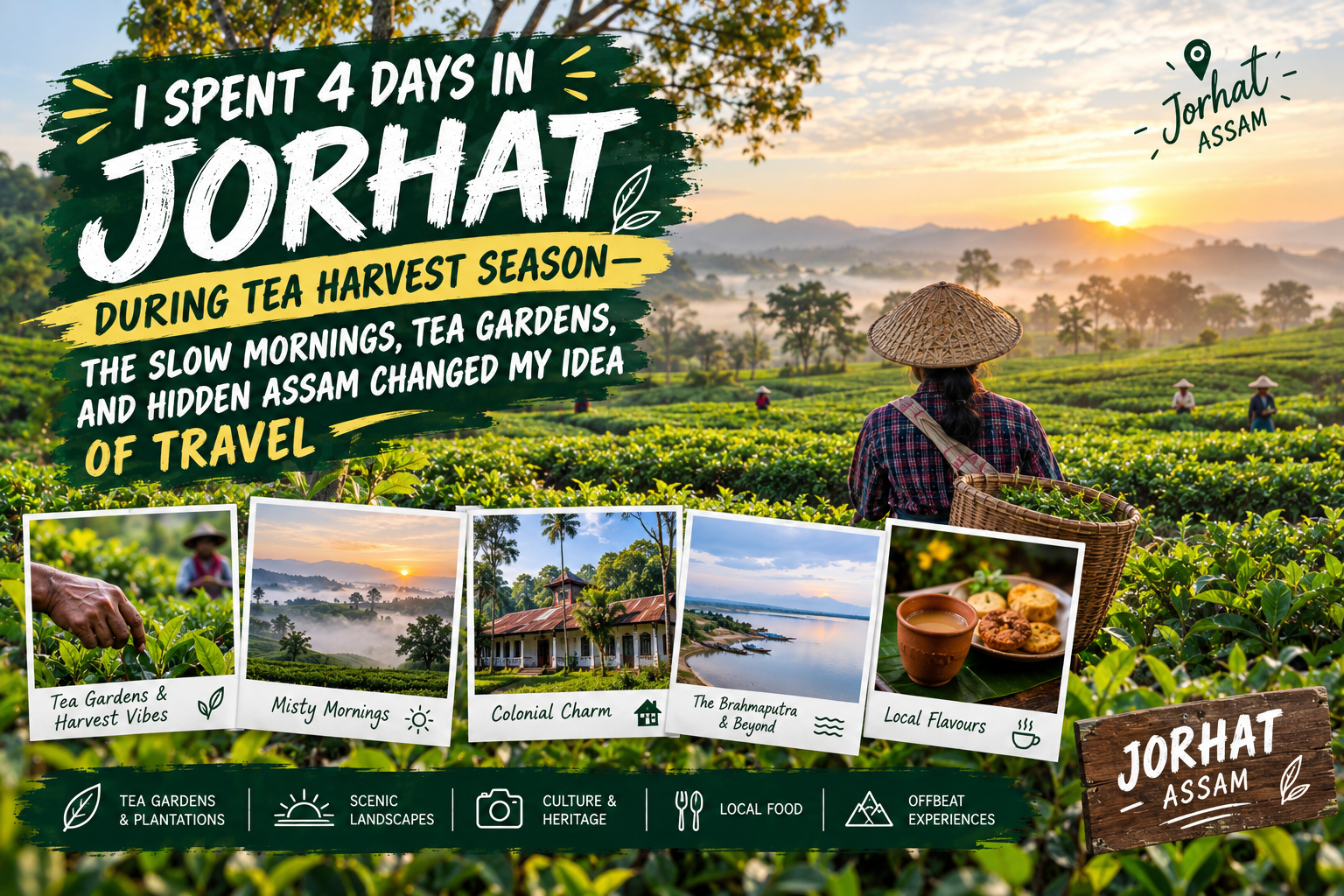
I did not plan this trip the way I usually plan my travels – Jorhat Tea Gardens.
There was no spreadsheet, no colour-coded itinerary, and certainly no list of seventeen places to see before breakfast. Instead, a friend who grew up in Upper Assam casually mentioned that her family’s tea estate near Jorhat becomes especially busy when the leaves start flushing.
She also told me something else.
The mornings there were unlike anywhere else she had lived.
Two weeks later, I booked a ticket to Jorhat during the height of tea harvest season, without much of a plan at all.
Four days isn’t a long time.
Yet Jorhat taught me that a short trip can feel surprisingly expansive when you stop trying to fill every hour.
Here, time seemed to move according to the rhythm of a crop rather than the rhythm of a clock.
That was the first thing I noticed.
And, by the time I left, it had completely changed how I thought about travel.
Why Jorhat, and Why During Tea Harvest Season?
Jorhat sits in Upper Assam, roughly midway between Guwahati and the state’s eastern reaches. For generations, the city has been closely connected with Assam’s tea industry and is widely known as the Tea Capital of India.
The connection isn’t simply a tourism slogan.
Jorhat is home to the Tocklai Tea Research Institute, one of the world’s oldest tea research centres. Surrounding the city are tea estates that form part of Assam’s famous tea-growing landscape.
For a traveller, however, the most interesting time to visit isn’t necessarily when the gardens look their greenest.
Harvest season changes everything.
Tea harvesting in Assam takes place in several flushes throughout the year. The first flush generally begins around March, while the second flush arrives around late May and June and is particularly prized for its distinctive character.
Plucking continues through the warmer months, with additional rounds taking place into autumn before activity gradually slows.
I arrived during one of those active plucking periods.
Instead of seeing a perfectly manicured green landscape sitting quietly beneath the morning sun, I found workers already moving through the gardens shortly after sunrise.
The entire estate was awake.
When Is the Best Time to Visit Jorhat for Tea Harvest?
For travellers who specifically want to see tea plucking and processing, March through October offers the best chance of experiencing active harvest activity.
Weather and harvest don’t always line up perfectly, though.
October through April generally offers more comfortable conditions for sightseeing, while the main tea-plucking period extends across the warmer months.
That makes late March, April and October particularly interesting periods for travellers who want a balance between comfortable weather and tea-estate activity.
Those interested specifically in the second flush should consider late May and June.
My own visit happened during an active plucking round, which turned out to be exactly what I had hoped for without really knowing it beforehand.
Day One: Arrival and Learning to Slow Down on Purpose
My flight landed at Jorhat’s Rowriah Airport, a small airport that immediately made the trip feel different from arriving in a major Indian city.
There was no overwhelming rush.
A short drive later, my host arrived to pick me up.
She managed a family-run tea garden on the outskirts of Jorhat, and the route from the airport gradually changed from city streets to a landscape of rice fields, roadside tea stalls and endless rows of tea bushes.
The further we travelled, the quieter everything became.
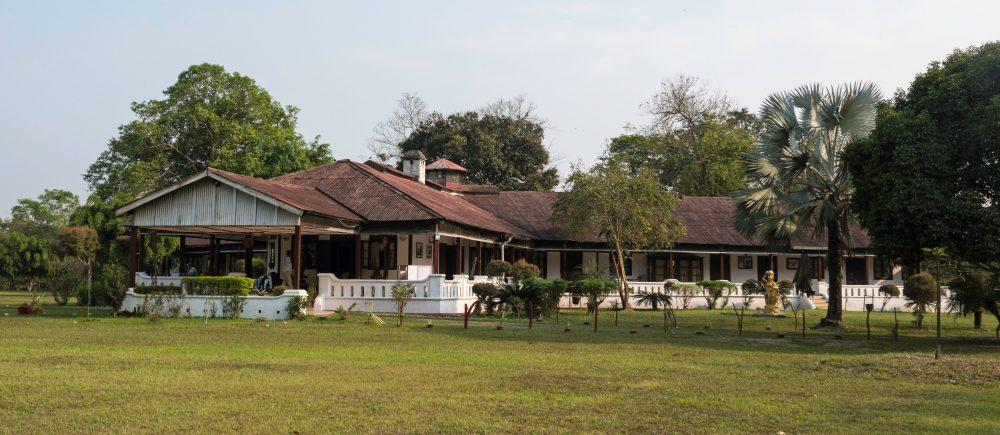
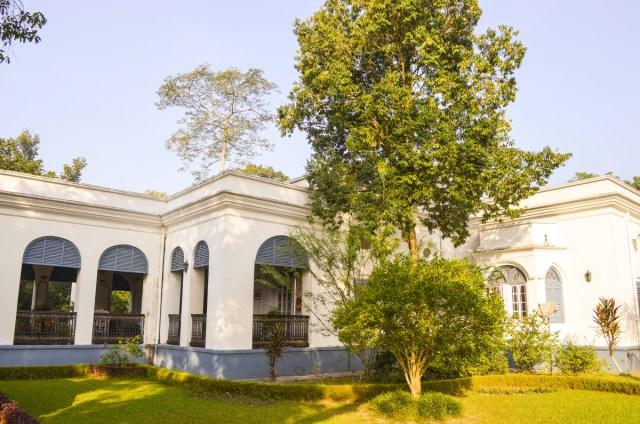
My accommodation for the first two nights was inside a converted planter’s bungalow.
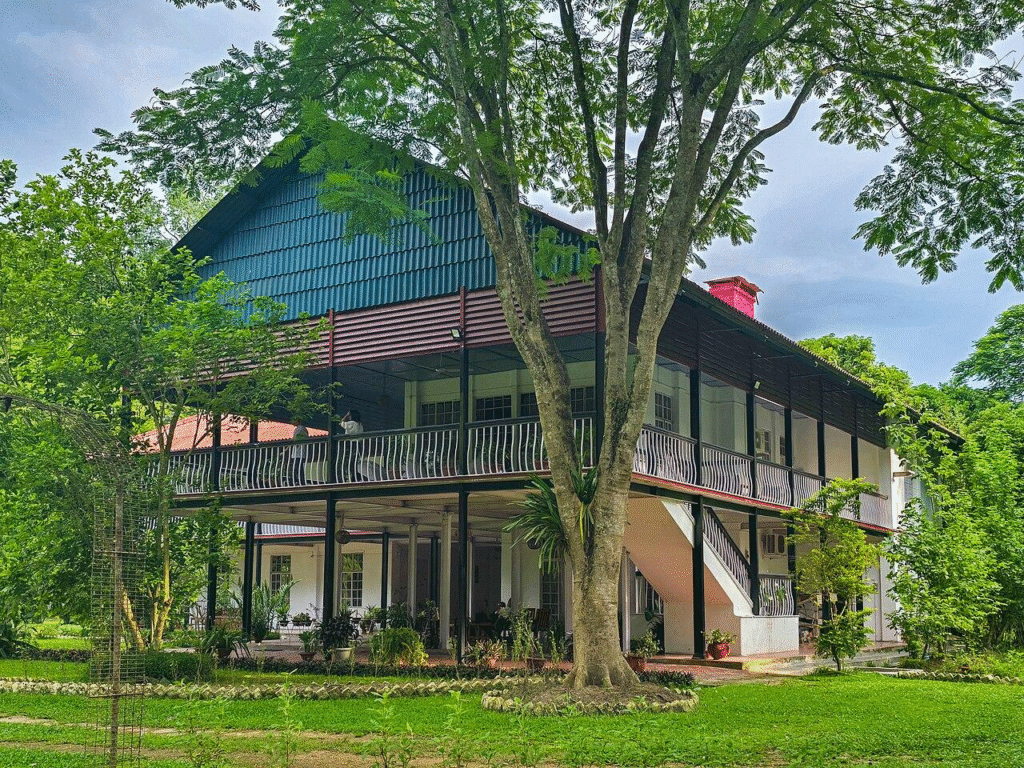
It had a wraparound veranda, old ceiling fans and furniture that looked as though it had survived several generations of tea-estate life.
Nothing felt particularly polished.
That was precisely what made it charming.
Over breakfast, I was given one important instruction.
6:30 AM. Sharp.
The estate manager began his rounds around 5:30, before the heat became intense and before the day’s plucking gathered pace.
My first evening, however, had no schedule at all.
I sat on the veranda with a pot of tea grown less than a kilometre away and watched the light gradually disappear over the garden.
Nobody asked what I planned to do next.
There was no pressure to “make the most of the evening.”
For once, doing nothing felt like part of the itinerary.
Day Two: Walking Through the Tea Gardens During Harvest
The second morning was the reason I had come to Jorhat.
I woke before sunrise.
By 6 AM, I was standing at the edge of the tea garden watching workers move between the rows. Many were women wearing bright sarees, with baskets secured to their backs as they worked steadily through the bushes.
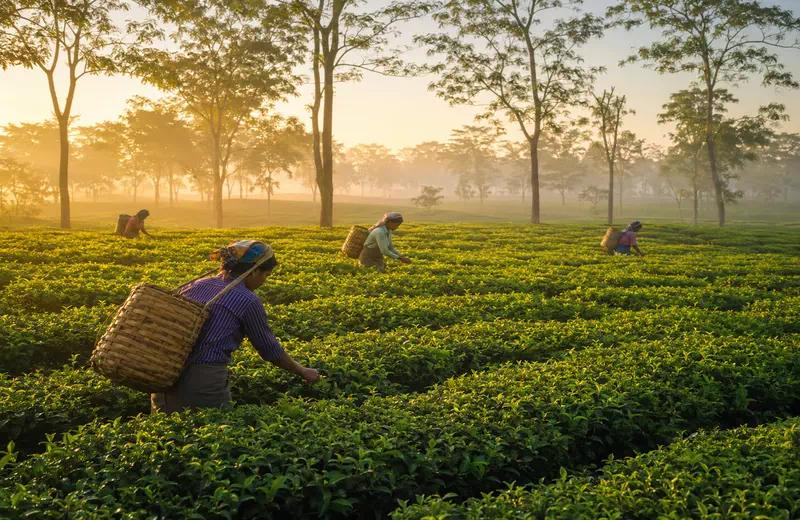
Their movements looked effortless from a distance.
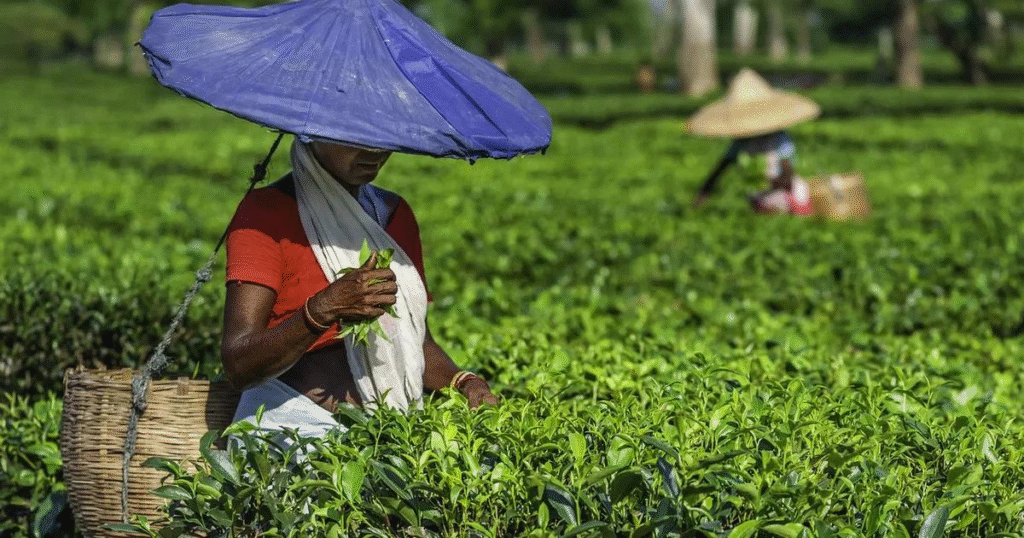
Each plucker carefully selects the young growth, often described as “two leaves and a bud.”
A quick movement of the fingers.
Another shoot into the basket.
Then another.
And another.
The rhythm continued across the garden as the morning slowly became brighter.
I was eventually allowed to try.
My performance was not impressive.
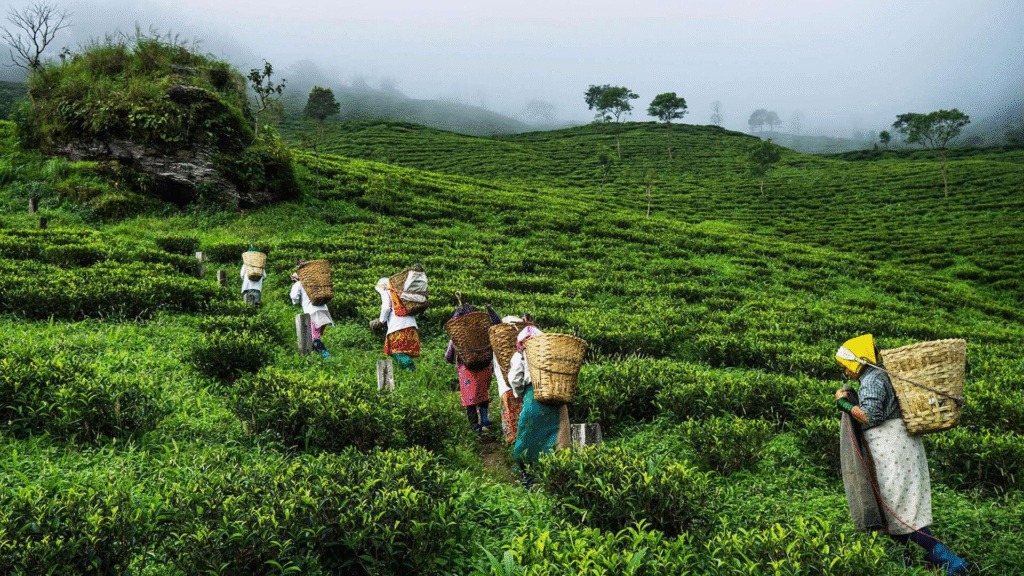
What appears simple when you’re watching an experienced worker takes considerable skill. Picking quickly while selecting the correct growth without damaging the plant requires years of practice.
A woman who had worked in the same garden for more than two decades watched me struggle and laughed kindly.
She showed me how to identify the right shoots.
My basket still filled with far too many clumsy handfuls.
The lesson was humbling.
It also made me appreciate how much skill is hidden inside something as ordinary as a cup of tea.
From Tea Garden to Tea Factory
After spending time in the fields, we walked to the estate’s small processing factory.
The morning’s freshly plucked leaves were brought inside and moved through several stages of processing.
Withering.
Rolling.
Oxidation.
Drying.
Sorting.
The transformation was fascinating because it happened so quickly.
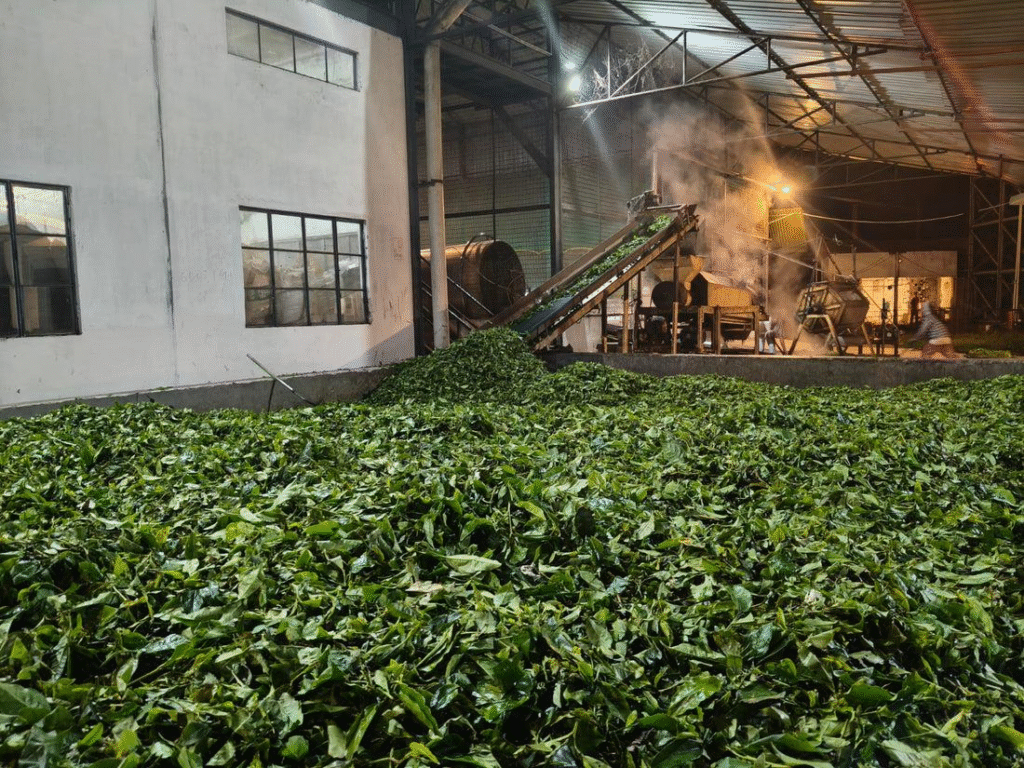
Inside the factory, even the smell seemed to evolve.
Fresh leaves initially carried a grassy, green aroma. As oxidation progressed, the scent became deeper, warmer and almost fruity.
Eventually, those leaves would become the dark, brisk Assam tea familiar to drinkers around the world.
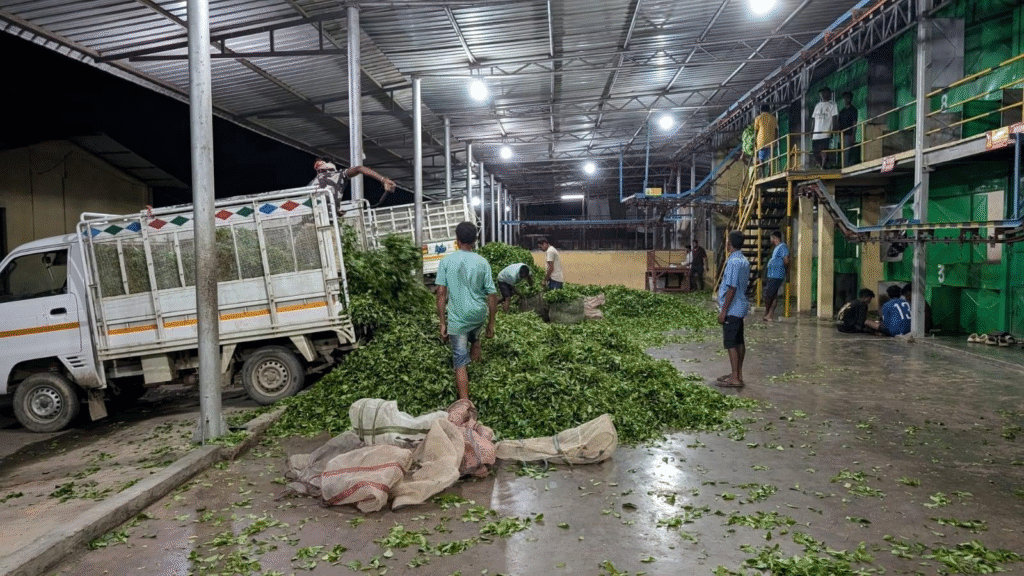
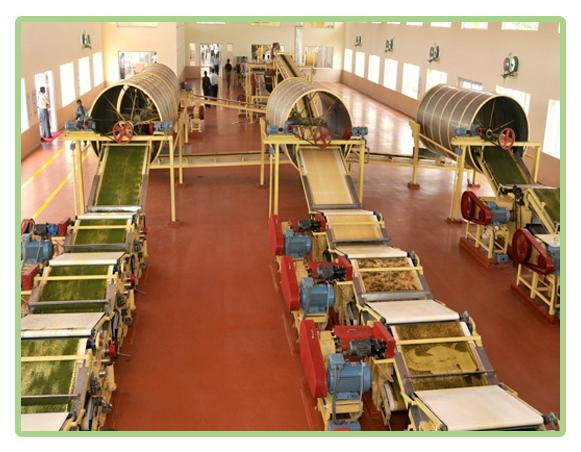
Watching the process immediately changed how I looked at tea.
I’d spent years thinking of it as something that simply appeared in a packet.
Now I could see the journey.
Plant.
Plucking.
Processing.
Tasting.
And finally, the cup sitting in front of me.
My First Assam Tea Tasting
The tasting session was where the morning became unexpectedly immersive.
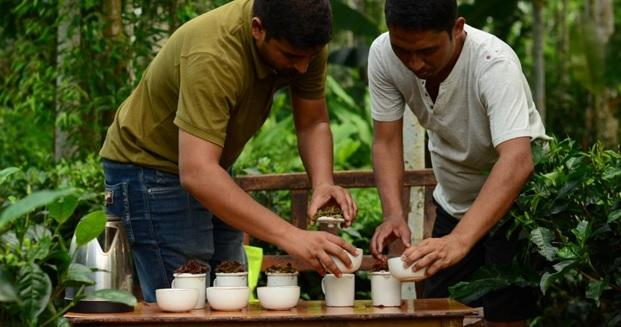
We were given small cups and shown how to taste the tea properly.
Rather than simply sipping, I was encouraged to slurp so that the tea could spread across the palate.
Suddenly, vocabulary I had previously associated with wine started making sense in a completely different context.
Body.
Briskness.
Astringency.
Sweetness.
A lingering finish.
Each cup tasted slightly different.
The malty character associated with Assam black tea was especially noticeable.
Before this trip, tea had been something I drank almost automatically.
After the tasting, I found myself paying attention to it.
I left the estate carrying two tins of tea and a completely different appreciation for something I had been consuming on autopilot for years.
Day Three: Discovering the Hidden Side of Assam
Tea gardens may be Jorhat’s biggest attraction, but stopping there would mean seeing only one part of the region.
My third day took me away from the plantations and toward the forest.
The destination was Gibbon Wildlife Sanctuary, located in the Jorhat region and known for its population of hoolock gibbons.

Early morning turned out to be the perfect time for the visit.
Bird calls echoed through the forest canopy, while the occasional call of a gibbon came from somewhere above us.
Most of the time, I wasn’t moving.

I was listening.
The experience was completely different from the tea estate.
Instead of orderly rows stretching toward the horizon, the forest felt dense and unpredictable.
Every sound seemed to come from somewhere I couldn’t see.
I spent almost two hours barely moving.

There was no checklist.
No rush to find the next attraction.
Just the forest.
And that felt strangely appropriate after two days of learning to slow down.
Sivasagar: Assam Beyond Tea
By afternoon, I headed toward Sivasagar, the historic town associated with the Ahom Kingdom.
For roughly six centuries, the Ahom dynasty shaped the political and cultural history of Assam.
Long before tea became one of the region’s defining industries, this part of Assam was already home to an extraordinary architectural and cultural tradition.
The town’s temples, tanks and historic structures make that history visible.
One of the places that stayed with me was Rang Ghar, the distinctive Ahom-era structure that is often described as one of Asia’s oldest surviving amphitheatre-like buildings.
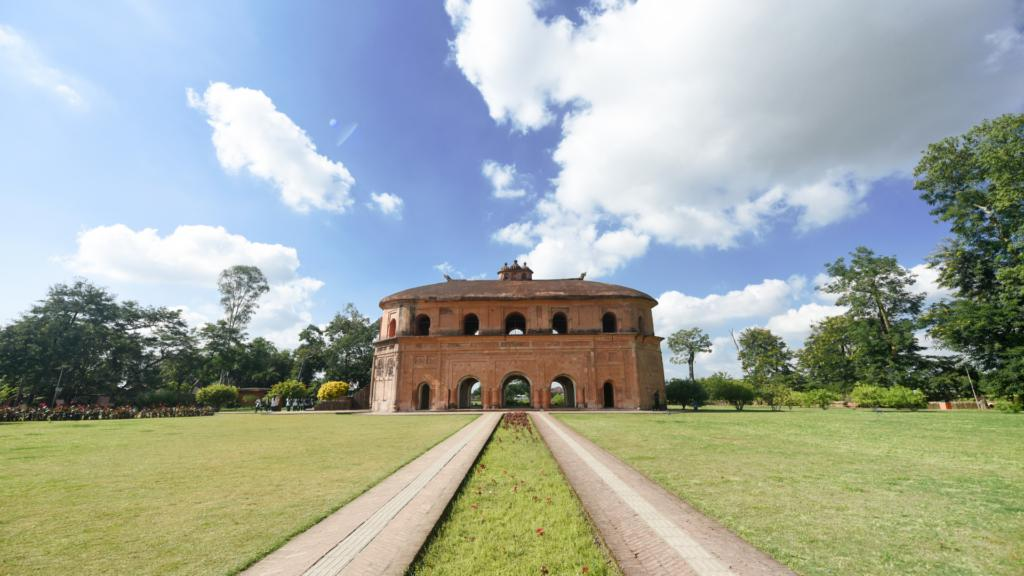
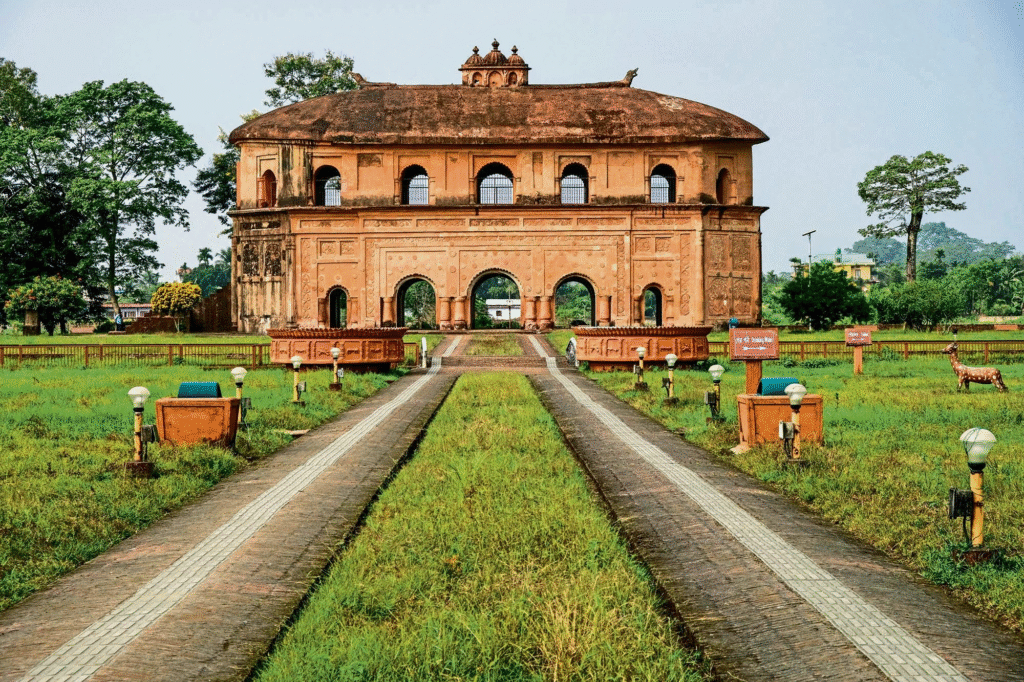
Standing there, I realised how incomplete my mental picture of Assam had been.
Before this trip, Assam had mostly meant tea gardens and Kaziranga in my mind.
Sivasagar added another layer entirely.
The region isn’t simply a destination for wildlife or plantations.
Its history stretches much further back.
That contrast made the journey far more interesting.
Sunset by the Brahmaputra
I ended the third day near the Brahmaputra.
The river looked enormous in the fading light.
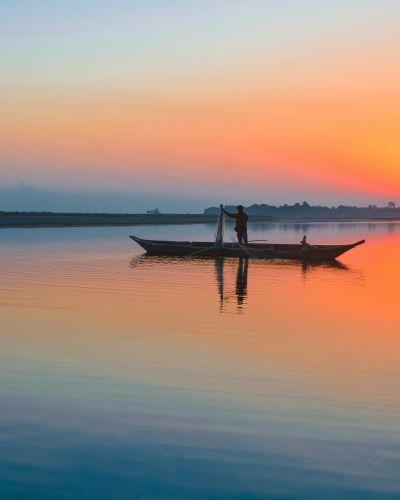
As the sun dropped lower, the water reflected shades of orange and gold that seemed to stretch almost endlessly toward the horizon.
A few local fishermen were pulling in their nets.
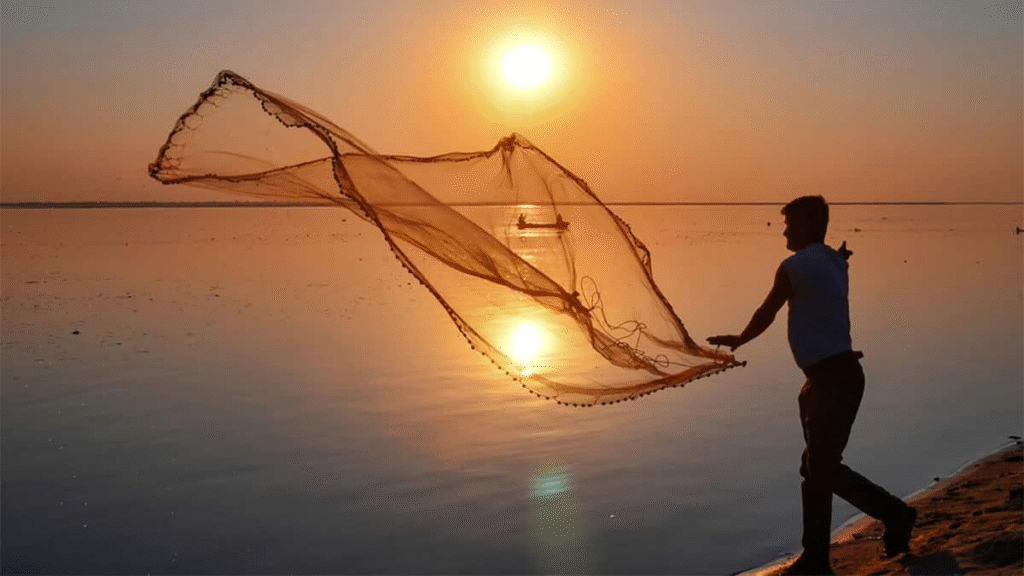
There were no crowds.
Nobody appeared to be treating the moment as a major attraction.
I was the only one taking photographs.
That simplicity felt very Assamese in the context of this trip.
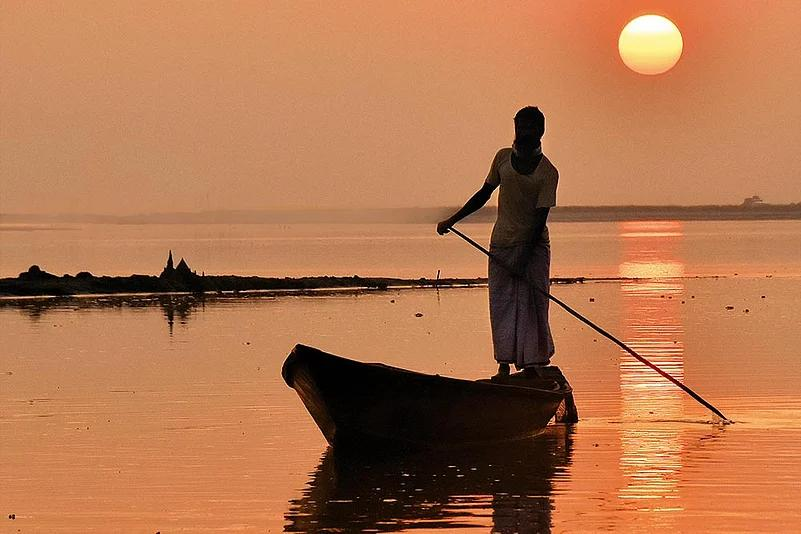
Beautiful places didn’t necessarily come with a crowd gathered around them.
Sometimes you simply arrived, sat down and watched.
Day Four: One Last Slow Morning
My final morning followed a familiar pattern.
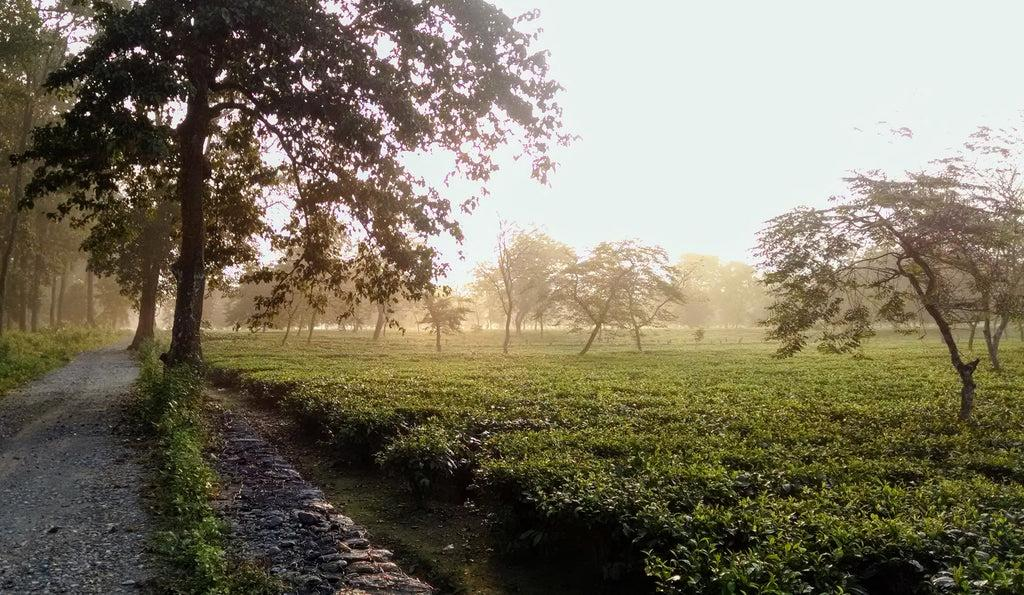
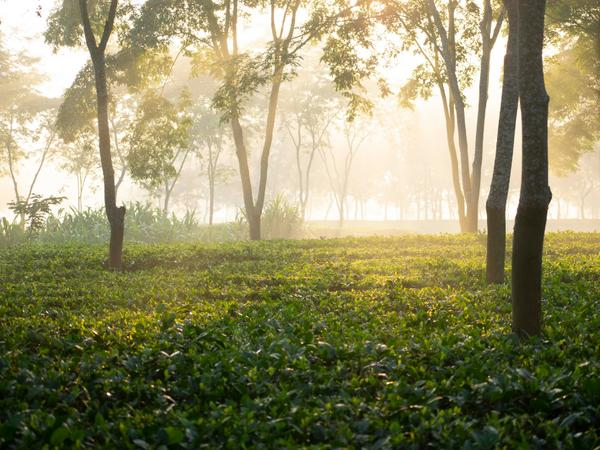
An early walk through the tea garden.
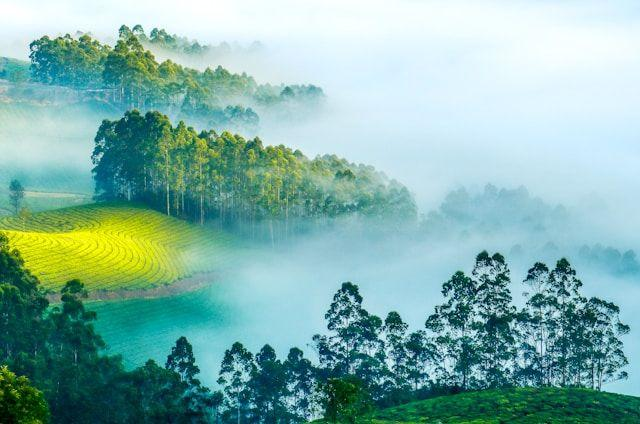
Mist hanging low over the bushes.
A final cup of Assam tea on the veranda.
Then a long conversation with my host about life on the estate.
The garden’s calendar, she explained, was built around the crop rather than tourism.
Plucking cycles determined the rhythm of work.
Weather affected the leaves.
The changing seasons dictated what happened next.
Tourists simply arrived somewhere in the middle of that cycle.
That thought stayed with me.
We often plan travel around our own schedules.
Flights.
Check-ins.
Sightseeing hours.
Restaurant reservations.
Here, the landscape had its own schedule.
We were the ones adapting to it.
My host also told me about Rongali Bihu, celebrated in April as Assamese New Year and one of the major cultural festivals of Assam.
Had I visited during Bihu, the atmosphere would have been completely different, with traditional music, dance and celebrations marking the agricultural season.
By the time I left for the airport, something had changed.
I had stopped checking my phone every few minutes.
Four days had been enough to make me realise that travel doesn’t always have to be about covering more ground.
Sometimes, it is about matching the pace of the place you’re visiting.
Practical Guide to Visiting Jorhat During Tea Harvest Season
Best Time to Visit Jorhat for Tea Harvest
For tea harvesting, March to October is the most useful window.
Late May and June are associated with the prized second flush, while late March, April and October can provide a good balance of active estate life and more comfortable sightseeing conditions.
Weather and harvest timing vary, so travellers should confirm estate access and seasonal conditions before booking.
How to Reach Jorhat
Jorhat is served by Rowriah Airport, making air travel the easiest option for many visitors.
Flights connect Jorhat with major regional cities, while Guwahati can also work as an entry point if you prefer travelling through Assam by road or rail.
Once in Jorhat, private taxis are the most convenient option for reaching tea estates and nearby attractions.
Where to Stay in Jorhat
For the most immersive experience, look for heritage tea bungalows, planter’s cottages and estate-run guesthouses.
Staying inside or near a working tea estate lets you experience the early mornings that are difficult to appreciate during a conventional hotel stay.
Properties such as Thengal Manor and other estate accommodations around Jorhat are worth researching, particularly during peak travel periods.
Advance booking is recommended.
What to Pack for Jorhat
A practical packing list works best:
- Lightweight cotton clothing
- Comfortable trousers
- A light layer for early mornings
- Closed shoes suitable for garden walks
- Rain jacket or poncho
- Small backpack
- Insect repellent
- Sunscreen
- Reusable water bottle
- Camera or phone
- Power bank
- Basic medicines
If you’re travelling near the monsoon period, waterproofing your luggage becomes particularly useful.
Tea Estate Etiquette
Jorhat Tea gardens are working agricultural properties rather than theme parks.
Always ask before photographing workers.
Follow your guide’s instructions when walking between tea bushes.
Avoid touching or damaging the plants.
Most importantly, remember that the people working in the garden are not part of the scenery. Their work is the reason the landscape exists in the first place.
Things to Do in Jorhat in 4 Days
If you have four days, a relaxed itinerary could look like this:
Day 1
- Arrive in Jorhat
- Check into a tea estate or heritage bungalow
- Explore the surrounding Jorhat Tea Gardens
- Enjoy a slow evening with Assam tea
Day 2
- Early morning tea-plucking experience
- Tea garden walk
- Visit a tea-processing factory
- Tea tasting
- Relax at the estate
Day 3
- Visit Gibbon Wildlife Sanctuary
- Explore Sivasagar
- See Rang Ghar and other Ahom-era sites
- End the day beside the Brahmaputra
Day 4
- Early tea garden walk
- Breakfast at the estate
- Explore locally if time permits
- Depart Jorhat
The beauty of this itinerary is that it leaves room for doing nothing.
That is intentional.
Jorhat Tea Harvest Season: Frequently Asked Questions – Jorhat Tea Gardens
What is the best time to visit Jorhat Tea Gardens for tea harvest season?
The main tea-harvesting period runs from March through October, with the second flush generally arriving in late May and June. For a balance of comfortable weather and active tea-estate life, late March, April and October are particularly appealing.
Why is Jorhat called the Tea Capital of India?
Jorhat sits at the centre of Upper Assam’s important tea-growing region and is home to the historic Tocklai Tea Research Institute. Numerous tea estates around the city have contributed to Assam’s long-standing tea industry.
Can tourists visit Jorhat Tea Gardens?
Yes, some tea estates and heritage properties welcome visitors for garden walks, tea-plucking experiences, factory tours and tastings. Access varies between estates, so arrange permission or a tour in advance.
What is the tea harvest season in Assam?
Tea production takes place in several flushes. The first flush generally begins around March, while the second flush arrives around late May and June. Plucking can continue through October depending on weather and estate conditions.
What is the second flush of Assam tea?
The second flush is a later seasonal growth period, generally associated with late May and June. Assam teas produced during this period are particularly valued for their rich body and distinctive malty character.
Is Jorhat worth visiting beyond the jorhat tea gardens?
Absolutely. Jorhat provides access to wildlife, history and river landscapes in addition to tea estates. Gibbon Wildlife Sanctuary, Sivasagar, the Brahmaputra, Majuli and other Upper Assam attractions can be incorporated into a longer trip.
How many days do you need in Jorhat tea gardens?
Three to four days is a comfortable amount of time for a relaxed visit. That gives you enough time for a tea-estate experience while leaving room for wildlife, history and nearby landscapes.
Can you visit Jorhat tea gardens during the monsoon?
Yes, although rainfall can affect outdoor plans and road conditions. The wet season also brings lush greenery to Assam’s tea gardens and surrounding landscapes, making it an attractive period for travellers comfortable with rain.
What should I wear to a tea garden in Jorhat?
Comfortable lightweight clothing and closed shoes are ideal. Early mornings can feel cooler, while daytime conditions may become warm and humid. Rain protection is useful during wetter months.
Is Jorhat good for slow travel?
Jorhat is particularly well suited to slow travel because tea estates naturally encourage visitors to follow the agricultural rhythm of the region. Rather than rushing between attractions, you can spend time walking through gardens, learning about tea production and experiencing local life.
A Different Idea of Travel
I’ve taken faster trips.
Busier trips.
Trips with longer itineraries and better photographs.
None of them changed how I think about travel quite like four slow mornings in Jorhat.
Something happens when you watch a crop being picked, processed and eventually poured into your own cup.
The process makes everyday things feel less ordinary.
A cup of tea is no longer simply a drink.
It becomes a landscape, a season, a worker’s hands, a factory, a tradition and a long agricultural history.
Jorhat didn’t ask me to see more.
It asked me to notice more.
That distinction stayed with me long after I left Assam.
Perhaps the biggest lesson was that travel doesn’t always need to be measured by distance.
Sometimes four days are enough.
Sometimes one tea garden is enough.
And sometimes the best thing you can bring home from a trip isn’t another photograph or another destination checked off a list.
It’s a slightly different way of seeing ordinary things.
I still drink tea every day.
Now, I rarely drink it on autopilot.
Internal links
- Jorhat Travel Guide 2026
- Slow Travel Destinations
- Coorg India Travel Guide 2026
- Rishikesh in Monsoon Travel Guide
- Kochi Travel Guide 2026